



Promoting Trust with Positive Training for Dogs
- Donte B.
- Mar 19
- 4 min read
When you bring a dog into your life, you want to build a bond that lasts a lifetime. Trust is the foundation of that bond, and the way you train your dog plays a huge role in creating it. Positive training for dogs is a gentle, effective approach that helps your furry friend learn while feeling safe and loved. Whether you’re juggling a busy schedule, managing a household with kids, or navigating the challenges of a new puppy, this method can make training a joyful experience for both of you.
Let’s explore how you can promote trust with positive training techniques that fit your lifestyle and help your dog thrive.
Why Positive Training for Dogs Works So Well
Positive training focuses on rewarding good behavior instead of punishing mistakes. This approach encourages your dog to repeat actions that earn praise, treats, or playtime. It’s a win-win because your dog feels motivated and happy, and you get the results you want without stress or fear.
Here’s why positive training is especially great for busy pet parents:
Builds a strong bond: Your dog learns to trust you because training sessions are fun and rewarding.
Fits into your schedule: Short, consistent sessions work better than long, stressful ones.
Reduces anxiety: Dogs trained positively are less likely to develop fear-based behaviors.
Encourages problem-solving: Your dog learns to think and make good choices independently.
Imagine coming home after a long day and having a calm, well-behaved dog greet you. That’s the power of positive training.

How to Start Positive Training for Dogs at Home
Starting positive training doesn’t require fancy equipment or hours of free time. You can begin with simple steps that fit into your daily routine.
Choose high-value rewards: Find treats or toys your dog loves. This makes learning exciting.
Keep sessions short and sweet: Aim for 5-10 minutes, 2-3 times a day.
Use clear, consistent cues: Pick simple words like “sit,” “stay,” or “come.”
Reward immediately: Give the treat or praise right after your dog performs the desired behavior.
Be patient and positive: Celebrate small wins and avoid scolding.
For example, if your dog pulls on the leash during walks, stop walking and wait for them to relax. Once they do, reward them and continue. Over time, your dog will learn that calm walking earns treats and praise.
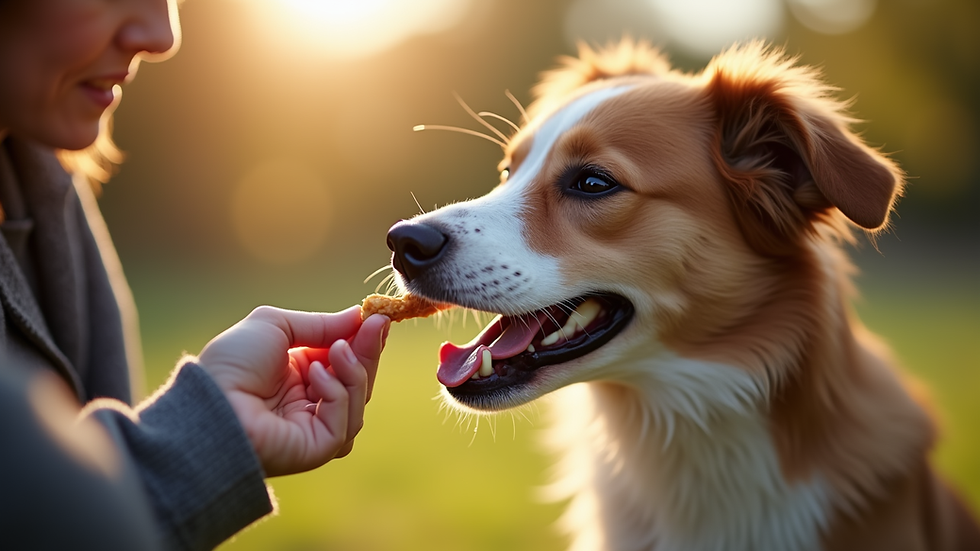
What is the positive training method for dogs?
The positive training method for dogs is all about encouraging good behavior through rewards rather than punishment. It’s based on the idea that dogs learn best when they feel safe and motivated. This method uses tools like treats, toys, and verbal praise to reinforce behaviors you want to see more often.
Unlike traditional training that might rely on corrections or dominance, positive training builds trust by focusing on what your dog does right. It’s a gentle way to teach commands, improve manners, and solve behavior problems.
Some key elements include:
Clicker training: Using a small device that makes a clicking sound to mark the exact moment your dog does something right.
Luring: Guiding your dog into a position with a treat.
Shaping: Rewarding small steps toward a desired behavior.
Management: Setting up your environment to prevent unwanted behaviors before they happen.
This method is especially helpful for dogs who are shy, anxious, or have had negative experiences in the past. It creates a positive learning environment where your dog feels confident and eager to please.
Practical Tips to Build Trust Through Training
Trust doesn’t happen overnight, but with consistent effort, you’ll see your dog become more relaxed and responsive. Here are some practical tips to help you along the way:
Be consistent: Use the same commands and rewards every time.
Stay calm and patient: Dogs pick up on your energy, so keep training sessions upbeat.
Celebrate progress: Even small improvements deserve praise.
Avoid punishment: Negative reactions can damage trust and slow learning.
Involve the whole family: Everyone should use the same training approach to avoid confusion.
Create a safe space: Make sure your dog has a quiet area to retreat to when they need a break.
For example, if your dog is nervous around visitors, practice greeting people calmly with treats and praise. Over time, your dog will associate guests with positive experiences.
How Positive Dog Training Methods Improve Everyday Life
Using positive dog training methods can transform your daily routine. When your dog understands what you expect and feels safe, you’ll notice fewer behavior problems and more enjoyable moments together.
Here’s how positive training can make a difference:
Better obedience: Commands like “sit” and “stay” become second nature.
Less barking and jumping: Your dog learns polite ways to get attention.
Easier walks: Loose-leash walking becomes the norm.
Improved social skills: Your dog feels comfortable around other dogs and people.
Reduced stress: Both you and your dog feel more relaxed.
Imagine having peace of mind knowing your dog is well-behaved when you’re at work or away. Positive training builds that trust and confidence, making your dog a happy member of the family.
Training your dog with kindness and patience is one of the best gifts you can give. It creates a foundation of trust that lasts a lifetime. By embracing positive training for dogs, you’re not just teaching commands - you’re building a loving relationship that makes every day brighter for both of you. So grab some treats, set aside a few minutes, and start your journey toward a happier, more confident dog today!


Comments